Imbalances Return Despite Post-Crisis Decline
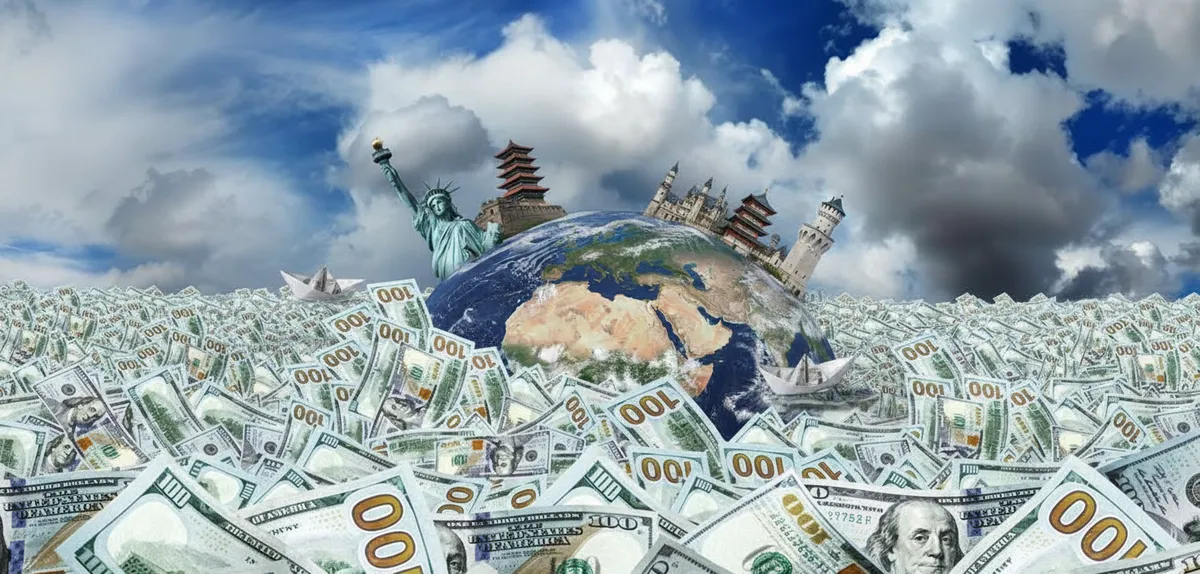
Global saving imbalances—where some countries save more than they invest domestically while others do the reverse—have climbed back to 3.6% of world GDP in 2024, according to recent data. This marks a significant increase from the reduced levels seen after the 2008 financial crisis, raising questions about whether these gaps reflect healthy economic fundamentals or potentially dangerous policy distortions.
These imbalances, a defining economics debate of the 2000s, are smaller than at their peak but are showing signs of renewed widening. The phenomenon occurs when countries run persistent current account surpluses or deficits, creating international capital flows that can influence exchange rates and global financial stability.
Beyond the US-China Dynamic
The current landscape of global imbalances has evolved significantly from the pre-crisis period. While the US-China relationship previously dominated discussions of saving imbalances, the situation has now spread to include other major economies including Germany, Japan, and Singapore.
This shift represents a move from a US-centric to a multipolar imbalance story, complicating the traditional narrative and requiring policymakers to consider a broader range of economic relationships and potential risks.
Understanding the Risks
The size of an imbalance alone doesn't determine its risk level, according to economic analysis. What makes an imbalance "safe" versus risky depends on various factors, including the underlying economic fundamentals driving the gaps and how they might eventually unwind.
Historical evidence suggests that imbalances often unwind through painful recessions rather than smooth price adjustments. The 2008 financial crisis demonstrated how painful the unwinding process can be, particularly when currency mismatches occur in emerging markets.
Policy Implications and Solutions
Traditional policy responses like tariffs won't effectively fix imbalances, according to economic analysis. Instead, fiscal policy and financial systems play more crucial roles in addressing these gaps. This understanding is particularly important for policymakers considering how to manage current imbalances without triggering disruptive adjustments.
The role of valuation effects and asset prices in rebalancing adds another layer of complexity to potential solutions. These factors can influence how imbalances adjust over time and whether the process occurs gradually or through sudden, potentially disruptive changes.
Investment and Market Considerations
For investors and financial professionals, understanding global saving imbalances provides insight into potential future economic stress points. The current widening trend suggests renewed attention is warranted, particularly given the multipolar nature of today's imbalances.
Currency mismatches in emerging markets represent a hidden danger within the broader imbalance framework. These mismatches can amplify risks when imbalances begin to unwind, potentially creating cascading effects across global financial markets.
Looking Ahead
The mechanics of how imbalances actually unwind—involving current accounts, capital flows, and exchange rates—remain as relevant today as they were during the pre-crisis period. With imbalances climbing toward levels that previously caused concern, monitoring these dynamics becomes increasingly important for both policymakers and market participants.
The challenge lies in distinguishing between imbalances that reflect healthy economic fundamentals and those that signal potential instability. As the global economy continues to evolve, understanding these distinctions will be crucial for maintaining financial stability and making informed investment decisions.