
The Compliance Reality Gap
Cryptocurrency companies seeking authorization under the European Union's Markets in Crypto-Assets (MiCA) regulation are discovering that having an EU office and director isn't enough to satisfy regulatory requirements. According to reports, hundreds of crypto firms now face rejection or remediation demands as enforcement tightens across EU jurisdictions.
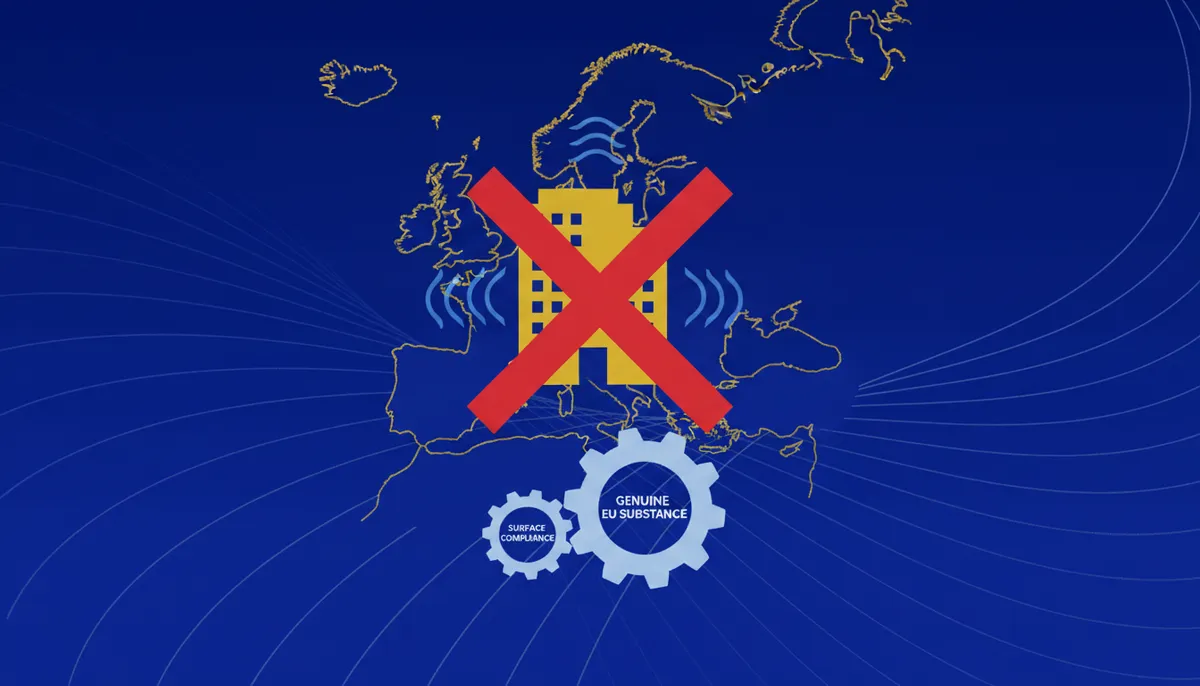
The issue centers on what regulators term "letterbox" structures—companies that appear compliant on paper but lack genuine operational substance in the EU. These surface-level arrangements are failing to meet the functional tests that regulators are now actively applying.
What Regulators Actually Demand
MiCA enforcement reveals three critical areas where crypto companies must demonstrate genuine EU presence:
Personnel Requirements
Regulators demand real personnel with full-time commitment and actual decision-making power within the EU entity. According to reports, "double-hatting" executives—where the same individuals serve multiple roles across different jurisdictions—is actively killing applications. The requirement goes beyond having names on organizational charts to ensuring these individuals have meaningful operational control.
Technology Infrastructure Control
Companies must demonstrate genuine operational control over their technology infrastructure within the EU. Parent-company control over tech systems creates hidden compliance risks that regulators are identifying during the authorization process. This represents a significant shift from the traditional approach where technology could be centrally managed from headquarters.
Financial Independence
Financial independence from parent companies is another critical requirement. EU entities must demonstrate autonomous financial operations rather than functioning as mere subsidiaries dependent on overseas parent company funding and decision-making.
Beyond Theoretical Compliance
The enforcement reality marks a shift from theoretical to practical compliance assessment. Regulators are no longer accepting structures that look compliant in documentation but fail functional tests for genuine EU operations. This active enforcement is blocking authorizations and forcing companies to rebuild their European operational structures.
Global Regulatory Convergence
The MiCA substance requirements align with broader global regulatory standards, including CARF (Crypto-Asset Reporting Framework) and FATF (Financial Action Task Force) guidelines. This convergence suggests the "substance over paperwork" approach will likely spread beyond the EU, making it a worldwide compliance issue for crypto companies.
Strategic Implications for Companies
Companies seeking MiCA authorization need to audit their compliance structures against these functional tests rather than relying on surface-level arrangements. The three-pronged approach—personnel structure, technology control, and decision-making autonomy—provides a framework for assessing genuine operational substance.
Organizations must evaluate whether their EU personnel have real decision-making authority, whether their technology infrastructure is genuinely controlled from within the EU, and whether their financial operations demonstrate independence from parent companies.
Looking Forward
As MiCA enforcement continues to evolve, the regulatory focus on genuine operational substance over paperwork compliance is expected to intensify. Companies that built their EU presence around minimal requirements may need significant restructuring to meet the new enforcement standards.
The shift represents a fundamental change in how crypto companies must approach EU market entry—moving from checking regulatory boxes to building genuine operational capabilities within European markets. For investors and industry participants, this enforcement trend signals a maturing regulatory environment that prioritizes substantive compliance over procedural arrangements.